Field Report | Wheat
From Trial Plot to Profit Story: Inside Seed Co’s Wheat Field Day
At Rattray Arnold Research Station, the conversation moved beyond tonnes per hectare to the question that matters on every farm: can the seed, the system and the market work together?
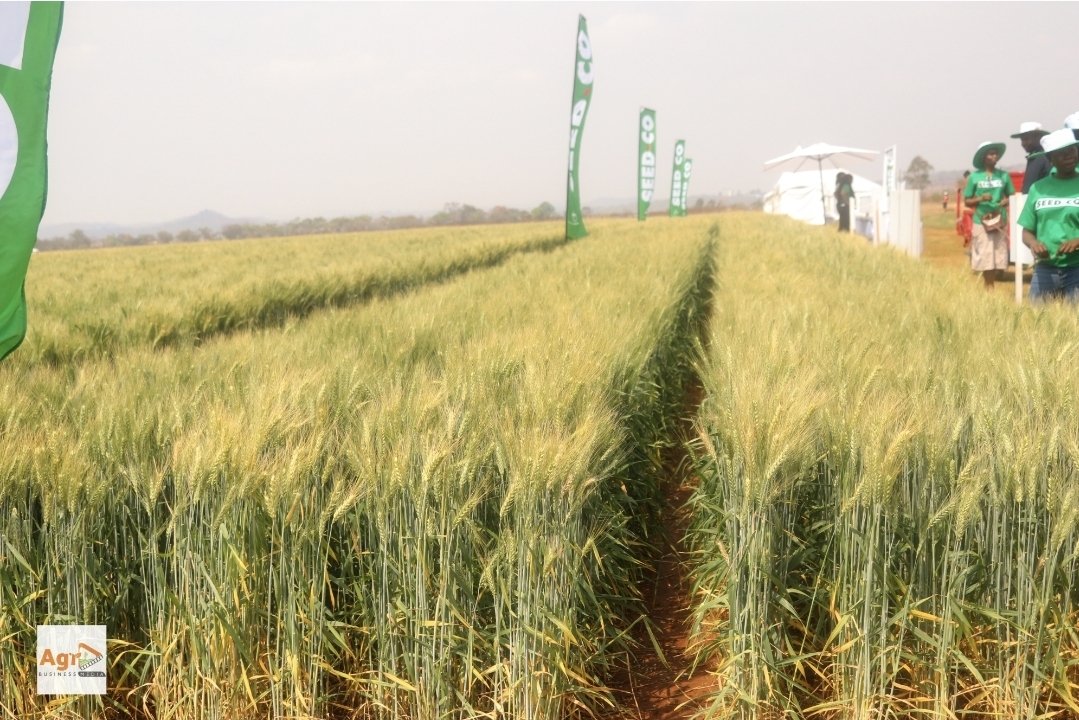
A wheat field day should do more than display a green crop and a new variety name. It should make farmers ask better questions: What does this variety do in my production window? What does it demand from my irrigation, nutrition and disease programme? What will the miller pay for? And, after all the work, does the margin justify the investment?
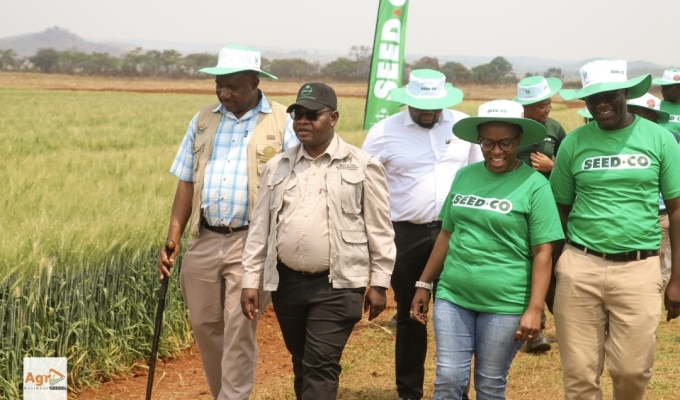
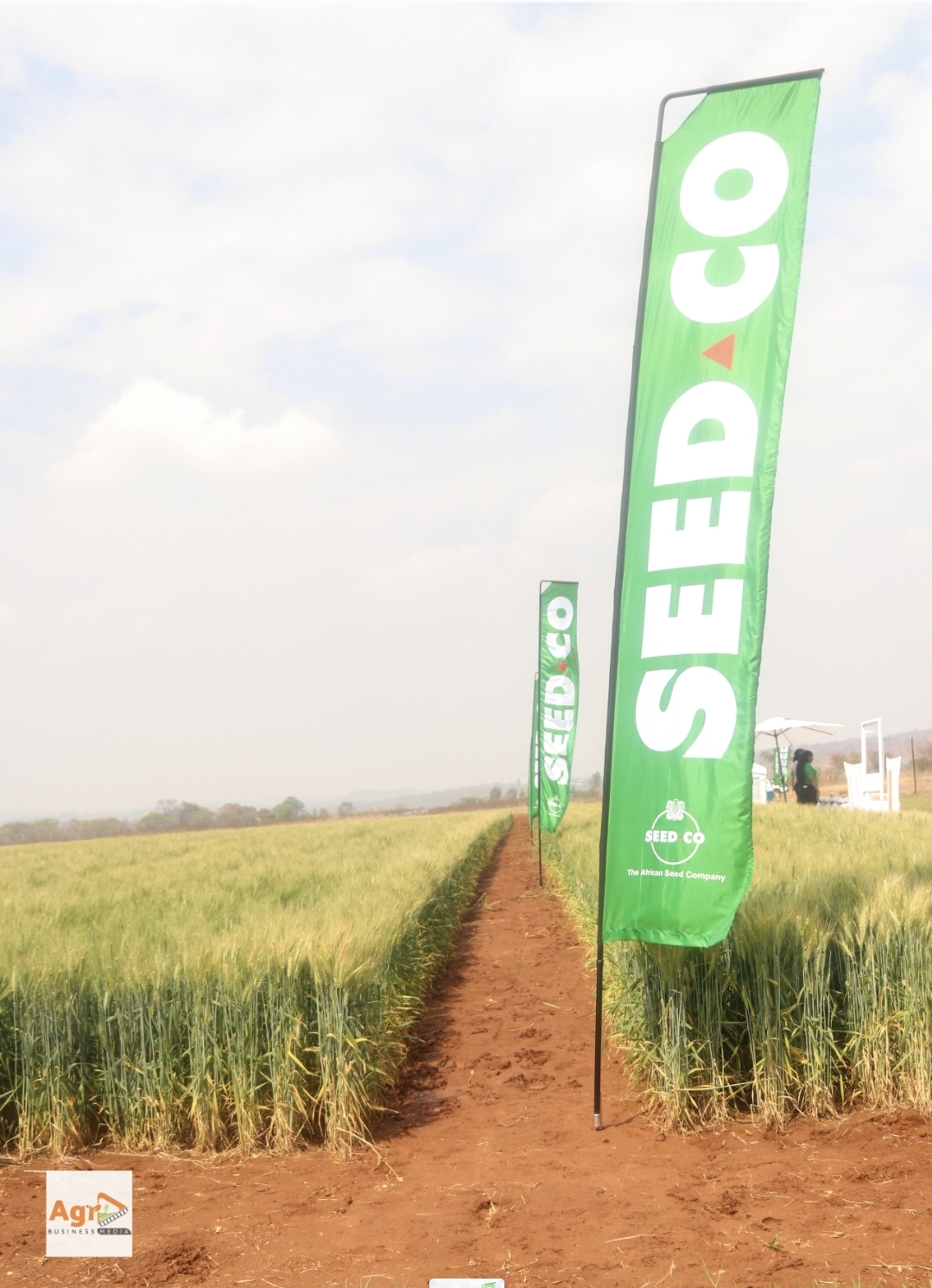
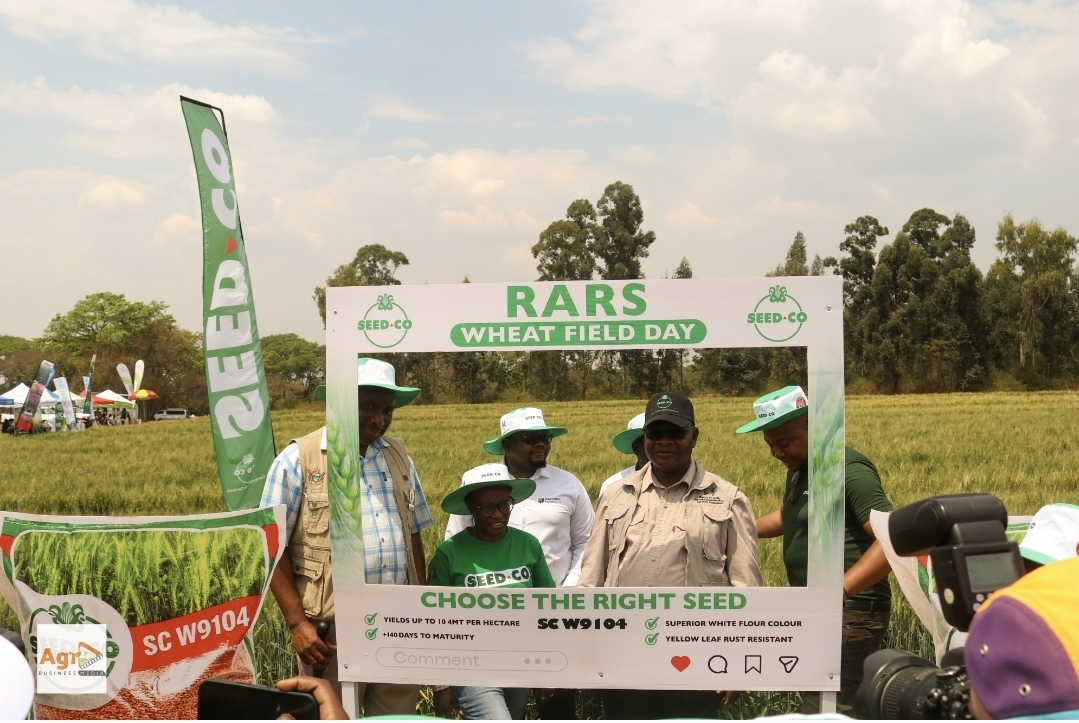
Those were the questions behind Seed Co’s inaugural Wheat Field Day at Rattray Arnold Research Station on Shamva Road. The event brought farmers, researchers, agronomists, public-sector officials and value-chain players into the trial plots to examine the company’s new white-flour wheat variety, SCW9104.
The field day theme was clear: “SCW9104: Growing Zimbabwe’s Wheat Future – Driving Economic Growth and Food Security.” The stronger practical message was even clearer: successful wheat is not created by seed alone. It is created when genetics, agronomy, irrigation, timing, market requirements and farm management work as one system.
A field day is where claims meet questions
In her welcome address, Seed Co Zimbabwe Managing Director Felistus Ndawi framed the day around a “farmer profit story.” That language matters. Yield remains important, but it is not the final scorecard. A profitable wheat programme must deliver acceptable grain quality, a reliable market, disciplined cost control and a crop that can be managed within the farm’s real water and operational limits.
That is why a research-station field day has value. Farmers can see the crop, compare plots and challenge the technical team directly. A brochure can tell a farmer what a variety is designed to do. A field conversation begins to reveal what the farmer must do to unlock that potential.
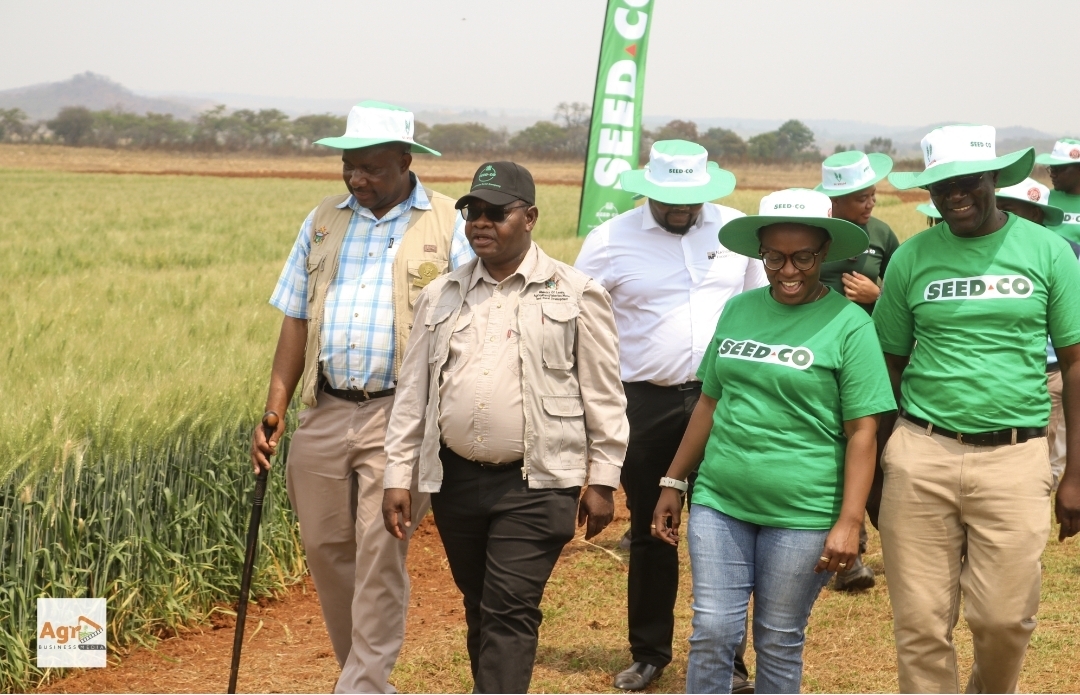
“A variety does not become successful simply because it is announced. It becomes successful when farmers see it, test it, understand it and adopt it because it delivers value under their own production conditions.”
SCW9104: a white-flour variety under the spotlight
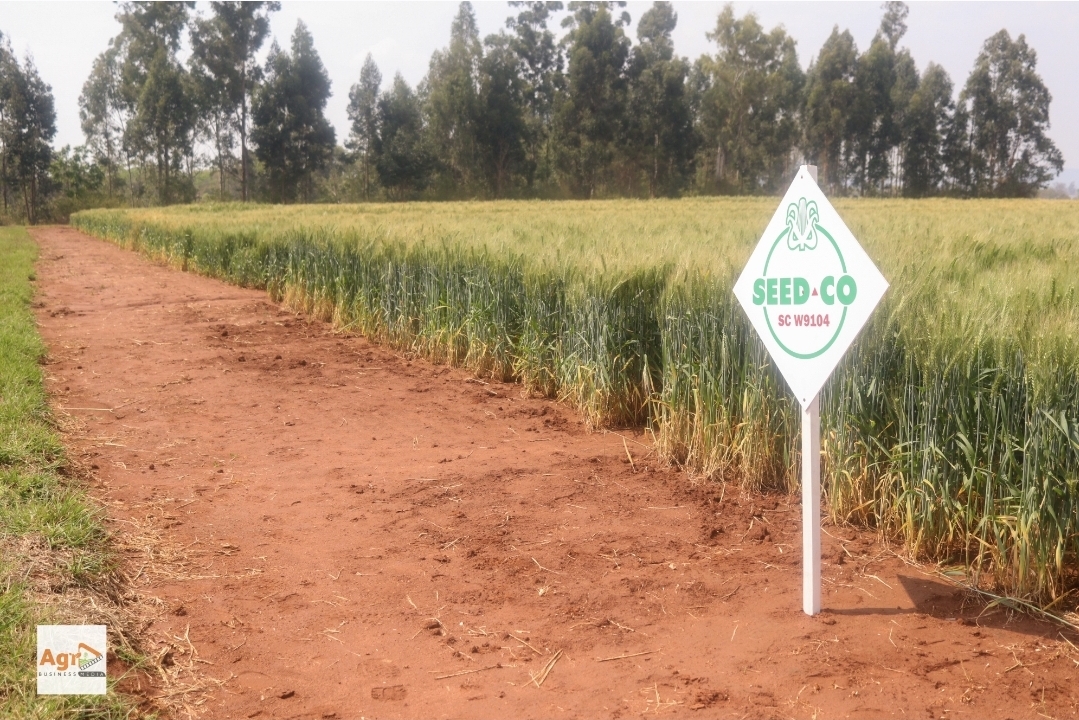
Seed Co’s field-day material presents SCW9104 as a white-flour wheat variety developed for the modern wheat value chain. The company states that the variety has yield potential of around 10–10.5 tonnes per hectare under suitable conditions, a maturity period of about 140 days, high protein above 13 percent, and tolerance to rust pressure, including low leaf-rust response.
Those are Seed Co’s stated variety attributes, not a blanket promise to every farm. Actual performance will still depend on planting date, location, water availability, fertility, disease pressure, harvesting discipline and the quality standard required by the buyer. Farmers should evaluate a new variety against their own conditions and records, preferably across more than one season.
| What Seed Co says | What the farmer still needs to test |
|---|---|
| Yield potential of around 10–10.5 t/ha | Whether the planting date, irrigation reliability, nutrition programme and field history can support that potential. |
| White flour and high-protein quality attributes | Which miller or buyer values those traits, how quality is assessed and whether the premium covers the full production cost. |
| Rust-tolerance positioning | Local disease history, scouting plan, product-label requirements and the farm’s response if disease pressure changes. |
| About 140 days to maturity | Whether that harvest window fits the irrigation calendar, labour plan, machinery availability and delivery schedule. |
The wheat story is now about quality as well as tonnes
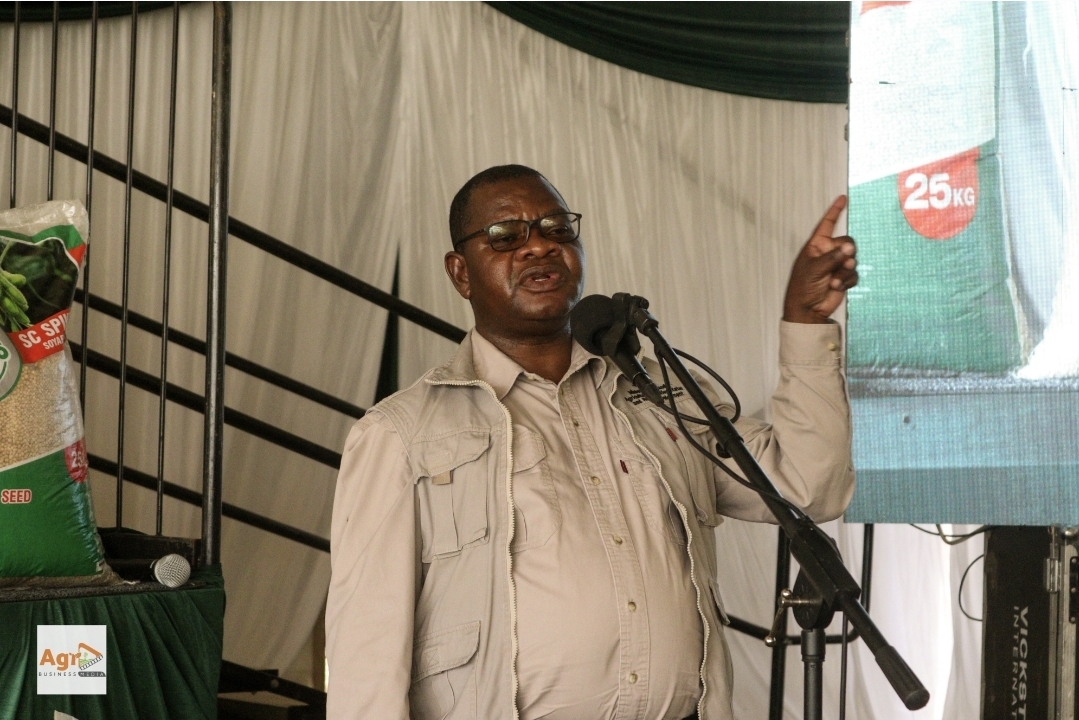
Professor Jiri used the field day to place variety development in the wider national wheat programme. In his address, he said Zimbabwe harvested about 640,000 tonnes of wheat in 2025 from roughly 122,000 hectares, while annual domestic demand was estimated at about 360,000 tonnes. He said the 2026 programme was targeting roughly 125,000 hectares and 660,000 tonnes.
The next stage, he argued, is not simply producing more grain. It is producing grain that is competitive. That brings the miller, baker and consumer into the farm decision. A variety that yields well but does not satisfy market quality requirements leaves value on the table. Equally, a quality trait that buyers do not recognise or pay for cannot carry the farm business by itself.
That is the right agricultural-economics lesson from the day: the farm must understand where its grain is going before it decides what success looks like.
Research only matters when it reaches the farmer’s decisions
Seed Co’s wheat-breeding programme dates back to 1981, according to the event addresses. The company has built successive generations of varieties as production conditions, disease pressure and customer requirements have changed. That long cycle is the part farmers do not always see when they purchase a bag of seed.
But research has no commercial value until it becomes a practical decision at farm level. The field day therefore gave growers the right task: inspect the crop, ask about maturity, compare standability, discuss planting dates and challenge the agronomy. A farmer who only asks for “the best variety” is leaving too much of the decision to chance.
Five questions to take from the plot to the farm office
- Which buyer, miller or delivery channel will take my grain, and which quality traits do they measure?
- Does the variety’s maturity fit my irrigation water, harvesting capacity and next-season land plan?
- What disease pressure has this farm experienced, and what is my scouting and response plan?
- What extra cost is required to achieve the quality and yield level being discussed?
- After all costs, does this crop improve the farm’s margin and cash flow?
From self-sufficiency to a stronger farm business
The field day was a reminder that Zimbabwe’s wheat programme is entering a more demanding phase. The country can celebrate higher output, but every hectare still has to earn its place in the farm plan. Water is expensive. Inputs are expensive. Time is expensive. A grower needs more than a promising variety; the grower needs a system that converts that variety into a saleable, profitable crop.
SCW9104 now goes into the real test: farmers’ fields, farmers’ records and farmers’ markets. That is where the strongest evidence will come from. The best outcome from a field day is not applause at the launch. It is a farmer going home with sharper questions, better records and a more disciplined plan for the next wheat season.
_large.jpg)