
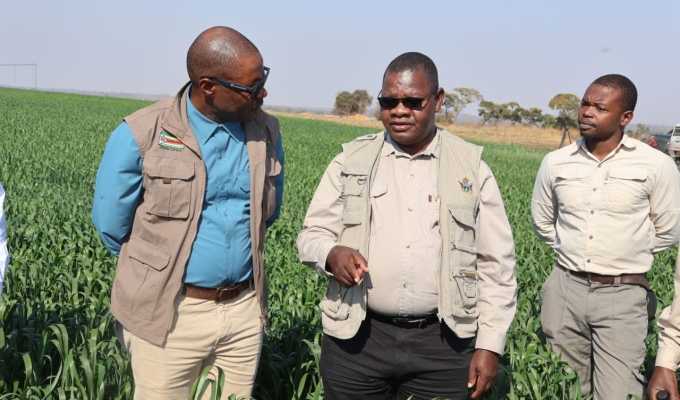
Wheat production in Zimbabwe represents a delicate balance between agricultural science and the demands of nature. As the crop progresses through its growth stages, each week brings new physiological developments that ultimately determine the farmer's harvest. Understanding these critical phases, particularly weeks 7 through 11, is essential for optimizing yields in Zimbabwe's varied agro-ecological zones, where wheat is being grown.
The Flag Leaf
The flag leaf represents one of the most significant anatomical features in wheat production. This is regarded as the engine of the yield. This final leaf, which emerges just before the wheat head extends from the stem, serves as the primary photosynthetic engine during the critical grain-filling period. In Zimbabwe's wheat production systems, agronomists emphasize that protecting this leaf is paramount because it contributes approximately 50-75% of the carbohydrates that ultimately fill the grain. The flag leaf achieves this through its superior photosynthetic efficiency and strategic positioning, standing above the canopy to capture sunlight while maintaining optimal stomatal function. When this leaf remains healthy and free from disease or pest damage, it sustains the energy supply necessary for robust grain development.
Weeks 7-8: The Transition to Reproductive Growth, Flag Leaf Emergence
This stage marks the point of no return in the crop's development. The plant has now produced its final leaf, and within approximately two weeks, the wheat head will begin to emerge. During week 7, farmers growing wheat must ensure that the soil profile is at field capacity. This is not merely a recommendation but a critical management necessity. The upcoming demand for water during heading and grain fill will exceed the irrigation system's ability to supply sufficient moisture if the soil profile lacks adequate reserves. On Zimbabwe's sandy soils—common in areas like parts of Marondera and Chinhoyi—this becomes particularly challenging as these soils have limited water-holding capacity. The third top-dressing application should coincide with this stage, applied when leaves are dry to prevent fertilizer burn. This application ensures adequate nitrogen availability during the rapid growth phase that follows.
Week 8: The Booting Stage
As the crop enters booting, the developing heads become visible within the swollen stem, and within days, the first awns begin emerging from the flag-leaf collar. During week 8, the wheat plant is essentially preparing for its reproductive phase, with the embryonic head developing within the protective sheath of the flag leaf. Continuous scouting becomes particularly critical at this juncture. Fall Army Worm activity, though diminished as temperatures cool, can still cause significant damage. Aphid populations, if left uncontrolled, can decimate yields with the spraying threshold set at one aphid per tiller. Diseases such as Septoria and Tan Spot can rapidly establish on the flag leaf, compromising its photosynthetic capacity just when it is most needed.
Weeks 9-11: Reproductive Milestones - Heading
The onset of heading, approximately day 56-63, is visually dramatic as wheat heads emerge from the collar of the flag leaf. This represents the culmination of vegetative growth and the beginning of the reproductive stage in earnest. Three critical activities must occur during week 9. The second fungicide application is essential, particularly targeting Septoria, Tan Spot, and Rust. Should the aphid population exceed one per tiller, an insecticide containing Acetamiprid should be added to the spray mix.
Week 10: Flowering and Pollination
Flowering represents a delicate phase in the wheat plant's life cycle. Pollination occurs within the flower structures, and the successful fertilization of ovules determines the potential number of grain sites. The telltale sign of this stage is the presence of pollen spread throughout the field.
The crop now demands consistent moisture, with Zimbabwean wheat farmers continuing irrigation based on the recommended schedule while ensuring 25-30mm of water per week. The irrigation frequency typically shifts to a 5-day cycle, allowing the crop to dry slightly between applications to minimize disease pressure.
Week 11: Head Fill
Head fill begins the crucial period when grain develops and increases in size. This stage ultimately determines the final yield, as each grain fills with starch and protein. The water demand increases significantly to 30-36mm per week, maintained until the end of the production cycle. During this period, Zimbabwean farmers typically adopt a 4 or 5-day irrigation cycle, allowing the crop to experience some drying between irrigations to suppress disease development. The soil profile must remain adequately wet, with farmers using soil pits or augers to verify moisture penetration throughout the profile.
Key Threats and Management
Aphids: The Silent Yield Thief
Aphids represent one of the most significant threats during this critical period. These insects feed on the phloem sap, removing essential nutrients and transmitting viral diseases. The threshold of one aphid per tiller serves as a critical economic indicator—exceeding this population level results in measurable yield losses. Aphid feeding during head fill directly reduces grain weight and quality, effects that cannot be compensated for through later management.
Disease Pressure and Management
Septoria tritici blotch and Tan Spot pose particular risks during these weeks. These fungal diseases can rapidly defoliate the flag leaf, and if established, the pathogens not only reduce photosynthesis but can also directly infect the grain. The fungicide applications at heading and booting serve as preventative measures, with Zimbabwean farmers using products effective against these pathogens. The third fungicide application, sometimes necessary during late pest and disease infestations, must be carefully managed to avoid chemical resistance. The rotation of chemical groups is essential in Zimbabwe's production systems where continuous cultivation has led to increased disease pressure.
The Consequences of Compromised Physiology
The consequences of moisture loss, poor nutrition, or pest damage during these critical weeks cascade through the plant's physiological processes. When the flag leaf is compromised through disease or insect feeding, the plant experiences reduced photosynthetic capacity precisely when demand for carbohydrates is highest. The combination of moisture stress and aphid feeding during head fill can reduce yields by 30-50% in severe cases.
Poor nutrition, particularly insufficient nitrogen, leads to reduced protein content and lower grain weights. As the plant attempts to fill grain with limited resources, smaller, shriveled grains result, reducing both yield and milling quality.
The period from week 7 to week 11 represents the most critical phase in Zimbabwe's wheat production cycle. From flag leaf emergence through head fill, every management decision influences the final outcome. Zimbabwean farmers must maintain vigilant scouting programs, apply appropriate inputs at the correct timings, and ensure adequate moisture throughout the soil profile. As the crop moves through ripening and approaches harvest, the foundation laid during these critical weeks determines the success of the season. Understanding the physiological processes driving wheat development allows Zimbabwe's wheat producers to intervene effectively, protecting yield potential and ensuring sustainable production in this vital food crop.
